How to Run an Effective Penalty Kill System in Hockey
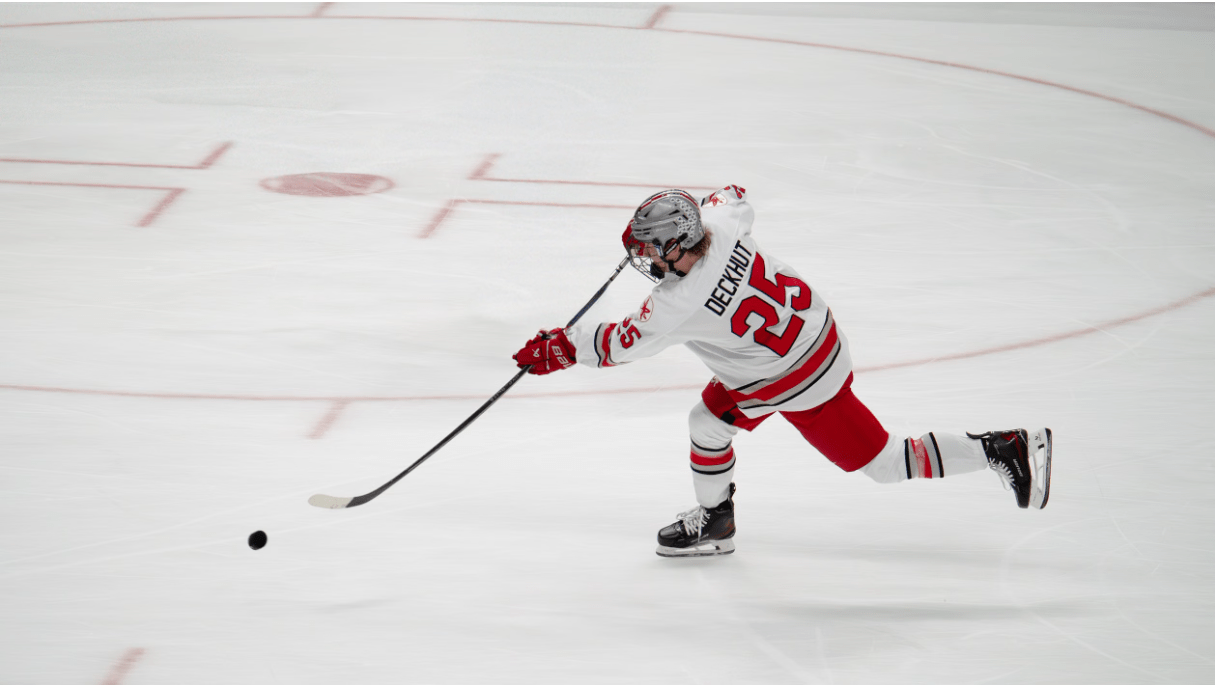
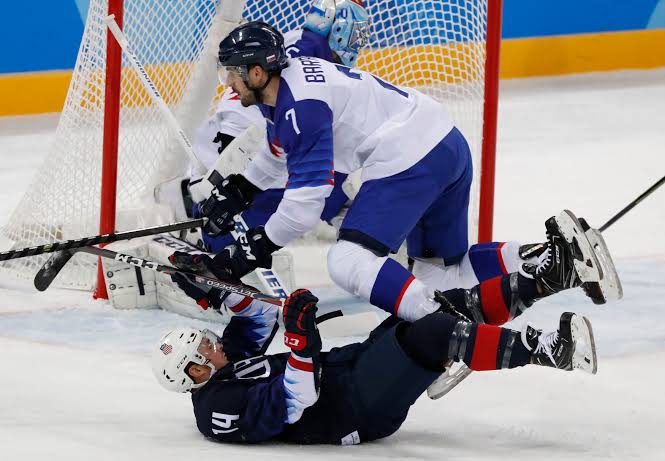
While scoring goals on the power play gets all the highlight reels, successful teams know that championships are won on the Penalty Kill (PK). Killing a penalty requires discipline, sacrifice, synchronization, and structural discipline. When a team is down a skater (4-on-5 or 3-on-5), the margin for error shrinks to almost zero. A great penalty Read More “How to Run an Effective Penalty Kill System in Hockey”
Hockey Power Play Strategies: Setups and Tactics That Work

A power play (PP) is one of the most critical dynamic elements of ice hockey. When an opposing player is sent to the penalty box for a infraction, the team with the numerical advantage receives a 5-on-4 (or 5-on-3) opportunity to capitalize. Converting power play opportunities often spells the difference between winning and losing tight Read More “Hockey Power Play Strategies: Setups and Tactics That Work”

Hydration Strategies for Ice Hockey Athletes

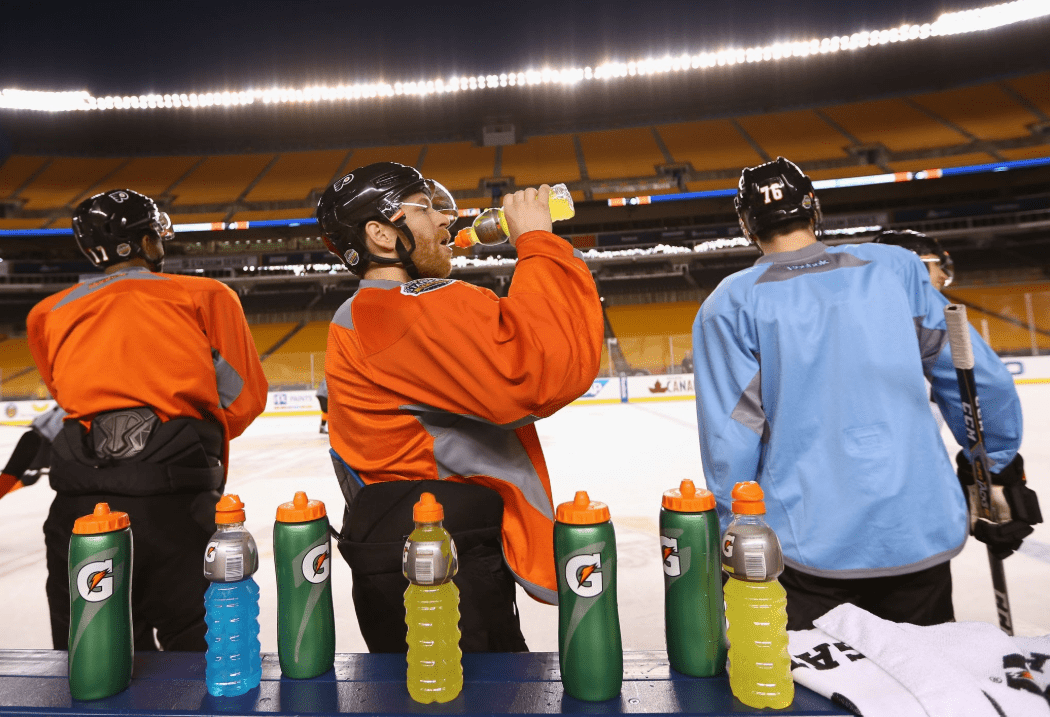
Ice hockey presents a unique environmental paradox: players exert max-effort anaerobic bursts in a cold arena while wearing 20 to 25 pounds of heavy, non-breathable protective gear. Because the microclimate under a hockey player’s pads heats up rapidly, athletes sweat heavily—often without realizing the true extent of their fluid loss due to the cool surrounding Read More “Hydration Strategies for Ice Hockey Athletes”

In-Season vs. Off-Season Conditioning Routines for Hockey Players

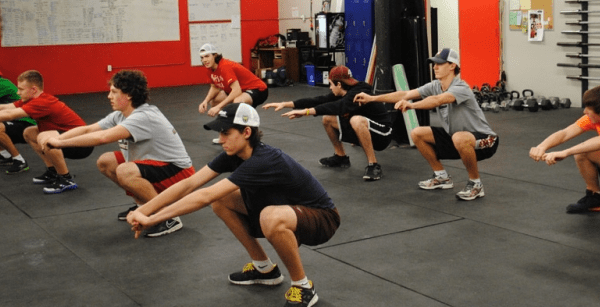
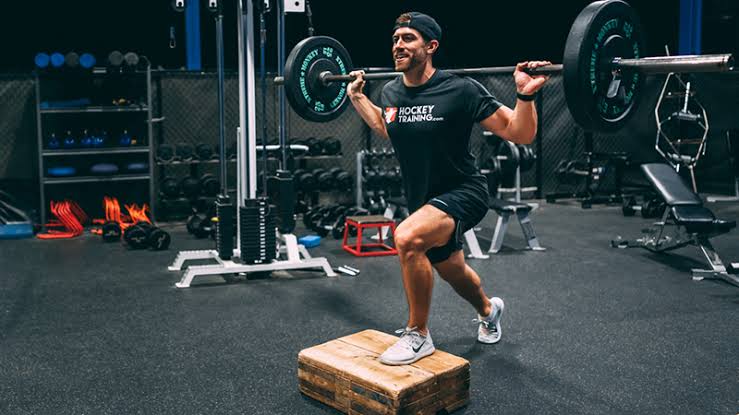
Ice hockey demands a rare blend of explosive power, anaerobic endurance, lateral agility, and physical toughness. However, an elite athlete cannot train at 100% intensity in the weight room year-round without risking burnout, chronic overuse injuries, or performance degradation on game days. To maximize performance, hockey conditioning is divided into two main phases: the Off-Season Read More “In-Season vs. Off-Season Conditioning Routines for Hockey Players”

Mentality in Hockey: Developing On-Ice Confidence and Focus

Hockey is often described as a game of mistakes. At 20 to 30 miles per hour on a slippery sheet of ice, pucks bounce, passes get intercepted, and turnovers happen to everyone from beginner rec-leaguers to NHL superstars. The factor that separates good players from great ones often isn’t raw physical talent or speed—it’s mental Read More “Mentality in Hockey: Developing On-Ice Confidence and Focus”

Preventing Common Hockey Injuries: Groin, Shoulder, and Knees

Hockey is a fast, high-impact sport that demands high-velocity skating, rapid direction changes, and physical contact. While the physical nature of the game makes it exciting, it also places heavy strain on a player’s joints, tendons, and muscles. Among the most frequent issues facing skaters and goalies are injuries to the groin, shoulders, and knees. Read More “Preventing Common Hockey Injuries: Groin, Shoulder, and Knees”

How Goalies Can Improve Agility and Reaction Time

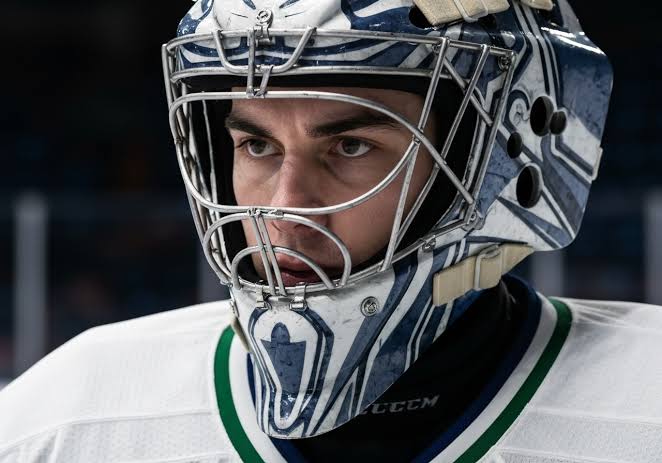
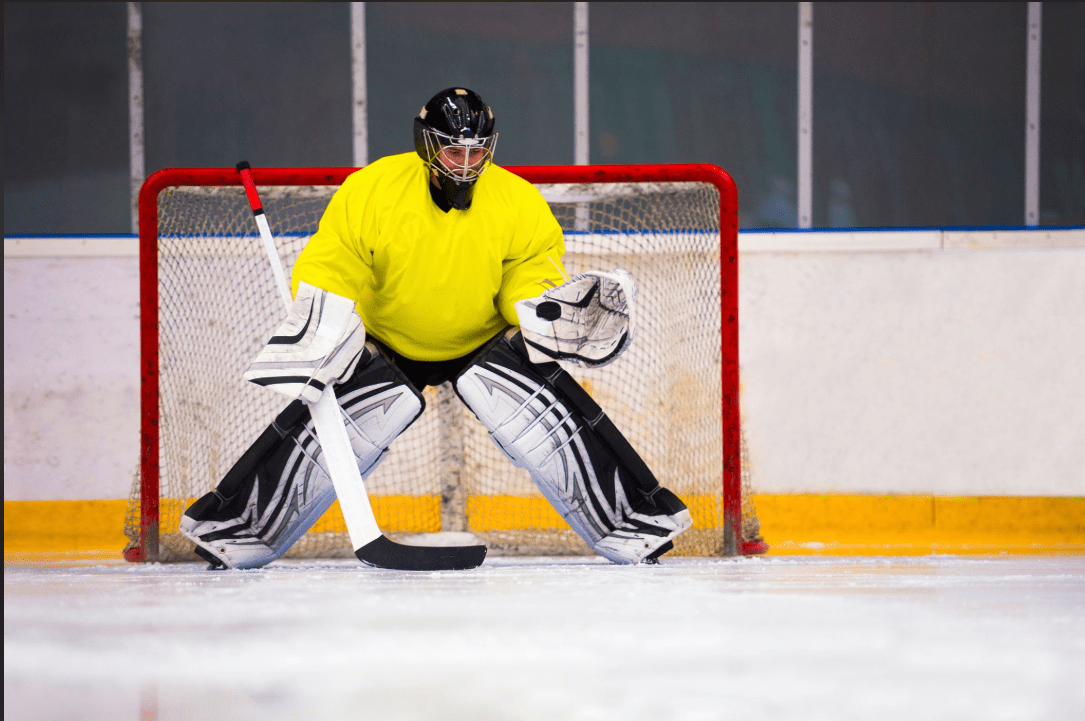
In ice hockey, goaltending is arguably the most physically and mentally demanding position on the ice. Goalies have less than a fraction of a second to react to slaptots exceeding 90 mph, deflected pucks, and rapid cross-crease passes. While raw instinct plays a role, top-tier goaltending relies on trainable physical skills: explosive footwork, sharp hand-eye Read More “How Goalies Can Improve Agility and Reaction Time”

Core Strength for Hockey: Exercises for Balance and Stability

In ice hockey, core strength is not about having a visible six-pack; it is about force transfer and postural stability. Every stride push, physical check along the boards, and rapid rotational shot depends on a stable midsection acting as a bridge between your lower and upper body. Because skating takes place on a unstable surface Read More “Core Strength for Hockey: Exercises for Balance and Stability”

Hockey Nutrition Guide: What to Eat Before and After Games

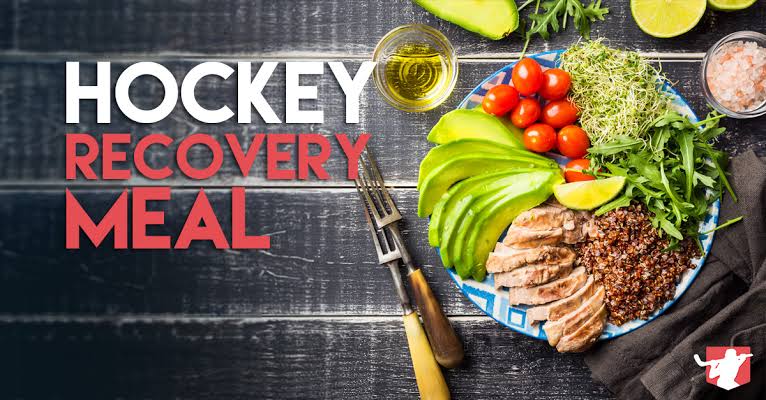
Ice hockey is one of the most physically demanding sports in the world. High-intensity bursts of skating demand immediate energy from glycogen stores, while body checks, shot blocking, and rapid directional shifts cause structural muscle breakdown. Proper fueling before a game maximizes your stamina during the third period, while deliberate post-game nutrition accelerates recovery so Read More “Hockey Nutrition Guide: What to Eat Before and After Games”

Off-Ice Stickhandling Drills You Can Do at Home

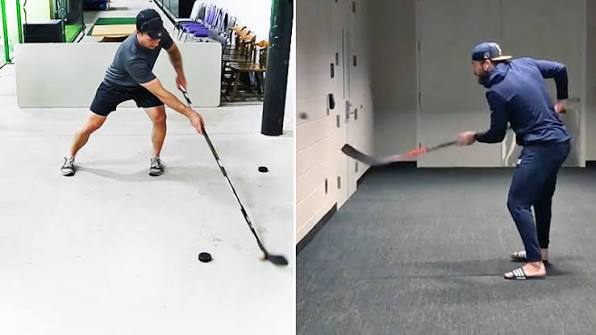
Developing elite stickhandling doesn’t require endless hours of ice time. In fact, many of the best puck handlers in the world build their hands off the ice. Doing dryland stickhandling for just 10 to 15 minutes a day dramatically improves soft hands, wrist strength, hand-eye coordination, and spatial awareness. Here is everything you need to Read More “Off-Ice Stickhandling Drills You Can Do at Home”