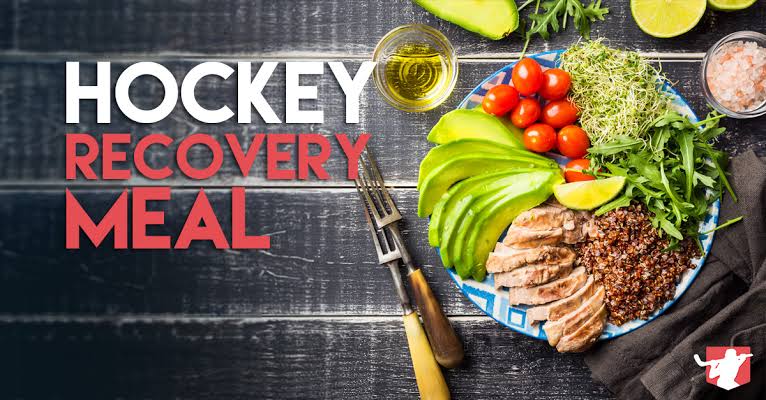
Ice hockey is one of the most physically demanding sports in the world. High-intensity bursts of skating demand immediate energy from glycogen stores, while body checks, shot blocking, and rapid directional shifts cause structural muscle breakdown.
Proper fueling before a game maximizes your stamina during the third period, while deliberate post-game nutrition accelerates recovery so you can perform at your peak during back-to-back game weekends. Here is how to structure your fuel around game day.
The Pre-Game Fueling Strategy
Your pre-game meal serves two main purposes: topping off glycogen stores in your muscles and liver, and ensuring you don’t feel sluggish or nauseous on the ice.
1. The Pre-Game Meal (3 to 4 Hours Before Puck Drop)
This is your main meal. It should be rich in easily digestible complex carbohydrates, contain a moderate amount of lean protein, and remain low in fat and fiber to prevent gastrointestinal distress during intense skating.
-
Macro Ratio: 60–70% Carbohydrates, 20% Lean Protein, 10% Healthy Fats.
-
What to Eat:
-
Grilled chicken breast with white or brown rice and steamed zucchini.
-
Turkey breast wrap on a whole-wheat tortilla with sliced cucumber and a side of sweet potato.
-
Pasta with a light tomato marinara sauce and baked lean ground turkey.
-
Oatmeal mixed with whey protein powder, a drizzle of honey, and sliced bananas.
-
2. The Pre-Game Snack (30 to 60 Minutes Before Puck Drop)
As game time approaches, shift to simple, fast-acting carbohydrates that spike blood glucose without sitting heavily in your stomach. Avoid heavy proteins, fats, or dairy close to warmups.
-
What to Eat:
-
A ripe banana or an apple with a tablespoon of honey.
-
A sleeve of graham crackers or fig bars.
-
A slice of white toast with a thin layer of jam.
-
An energy gel or low-fat sports chew.
-
Hydration and Intermission Refueling
Dehydration causes rapid declines in reaction time, skating speed, and mental acuity.
-
Pre-Game Hydration: Drink 16–24 oz of water in the 2–3 hours leading up to the game.
-
During the Game: Alternate between plain water and an electrolyte beverage containing sodium and potassium to prevent cramping.
-
Between Periods (Intermissions): Take small sips of a carb-electrolyte drink or consume quick-digesting options like a few gummy bears, a orange slice, or half a banana to replenish depleted glycogen for the next 20 minutes of play.
The Post-Game Recovery Plan
The 30-to-60-minute window following a game is crucial for muscle repair and glycogen synthesis.
1. Immediate Post-Game Shake/Snack (Within 30 Minutes)
Your body needs a fast-digesting combination of protein (to repair micro-tears in muscle tissue) and high-glycemic carbohydrates (to rapidly replenish exhausted glycogen stores).
-
Target Ratio: 3:1 or 4:1 Carbohydrate-to-Protein ratio.
-
What to Consume:
-
Low-fat chocolate milk (nature’s ultimate recovery drink).
-
A whey protein shake blended with a banana, oats, and frozen berries.
-
Greek yogurt paired with honey and granola.
-
2. The Post-Game Recovery Meal (Within 2 Hours)
Your full post-game meal should focus on nutrient-dense foods that reduce systemic inflammation and support complete recovery.
-
What to Eat:
-
Protein: Salmon (rich in anti-inflammatory Omega-3 fatty acids), lean steak, or chicken thighs.
-
Carbohydrates: Roasted sweet potatoes, quinoa, brown rice, or whole-grain pasta.
-
Micronutrients & Anti-Inflammatory Foods: Tart cherry juice, leafy green salads, broccoli, berries, and avocados.
-
What to Avoid on Game Days
| Category | What to Avoid | Why |
| High Fat | Fried foods, greasy burgers, heavy cream sauces, heavy cheeses | Fats digest slowly, drawing blood to the stomach and causing lethargy on the ice. |
| High Fiber | Raw broccoli, beans, high-bran cereals right before playing | Causes bloat, gas, and stomach cramping during high-intensity shifts. |
| Refined Sugars | Sodas, candy bars, heavy pastries hours before | Causes a rapid insulin spike followed by a severe energy crash mid-game. |