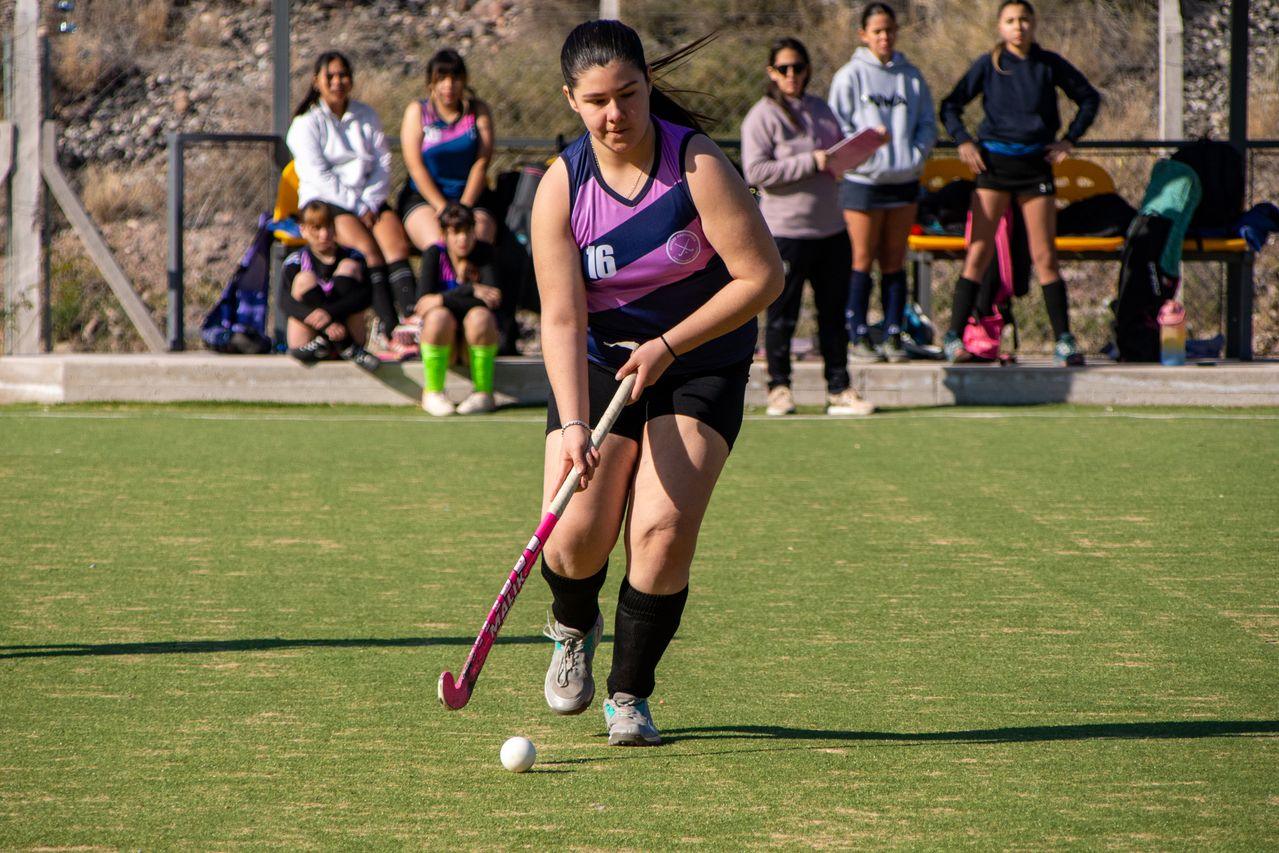
While field hockey and ice hockey share structural similarities—stick play, goals, and team tactical frameworks—they represent two distinct global subcultures shaped by climate, geography, socioeconomics, and history.
Field hockey is an ancient, accessible sport deeply tied to summer Olympic culture and Commonwealth history. Ice hockey is a high-speed, equipment-heavy winter discipline dominated by northern-tier nations and cold-climate cultures.
Global Footprint & Demographic Reach
The geographical reach of each sport reflects historical trade routes, colonization, and climate availability.
-
Field Hockey: Enjoyed across all inhabited continents, field hockey has its strongest historical roots in South Asia (India, Pakistan), Western Europe (Netherlands, Germany, England, Belgium), Australia, Argentina, and parts of Africa. It is widely played by both men and women, boasting an estimated global fan and participant base of over 2 billion people.
-
Ice Hockey: Geographically concentrated in cold-weather regions, the sport thrives in North America (Canada, United States) and Northern/Eastern Europe (Sweden, Finland, Russia, Czech Republic, Switzerland). It commands a dedicated, high-spending global audience of approximately 1 billion people, anchored by premier professional leagues like the National Hockey League (NHL).
Key Cultural & Structural Comparisons
| Dimension | Field Hockey | Ice Hockey |
| Primary Environment | Outdoor synthetic turf (astro-turf) or natural grass | Indoor artificial or outdoor natural ice rinks |
| Socioeconomic Barrier | Low to Moderate: Minimal gear required (stick, shinguards, mouthguard, ball). | Extremely High: Expensive full-body protective padding, skates, composite sticks, and costly ice-time rentals. |
| Game Speed & Style | Precise stick-handling, low-center-of-gravity agility, tactical passing, non-contact positioning. | Blistering skating speed (up to 30+ mph), physical body checking, rapid line shifts, high-velocity slapshots. |
| Gender Parity | Exceptional. Equal global participation; widely recognized as a premier women’s sport worldwide (and major NCAA sport in North America). | Historically male-dominated professional structures, though women’s hockey is expanding rapidly (e.g., PWHL launch). |
| Cultural Pinnacle | The Olympic Games and FIH World Cup represent the absolute peak of international prestige. | The Stanley Cup (NHL) and Olympic/4 Nations Face-Off represent the twin peaks of club and international achievement. |
Distinct Sporting Cultures
1. The Heritage of Field Hockey: From Commonwealth Royalty to Modern Turf
Field hockey’s identity is intertwined with global international tournaments. In nations like India and Pakistan, field hockey holds deep national pride, associated with historical Olympic dominance during the mid-20th century. In Western Europe (especially the Netherlands and Germany), it is a thriving club-based community sport, where weekend matches serve as family-centric social gatherings at outdoor sports clubs.
2. The Identity of Ice Hockey: Cold-Climate Pride & High-Adrenaline Spectacle

Ice hockey culture is rooted in winter traditions—pond hockey, outdoor rinks, and community resilience against harsh climates. In Canada, it functions as a core cultural pillar. The sport’s identity is defined by intensity, speed, physical toughness, and the rhythmic flow of short 45-second shifts. Modern professional ice hockey is a major commercial enterprise blending arena spectacle, media rights, and regional rivalries.
Summary
-
Field Hockey reaches a broader, more diverse global demographic due to low equipment barriers, Olympic tradition, and multi-continental appeal across Europe, Asia, Oceania, and Latin America.
-
Ice Hockey generates higher commercial revenue per capita, supported by major professional infrastructure, high-spending markets, and a passionate regional culture across North America and Northern Europe.