Complete Hockey Protective Gear Checklist for New Players
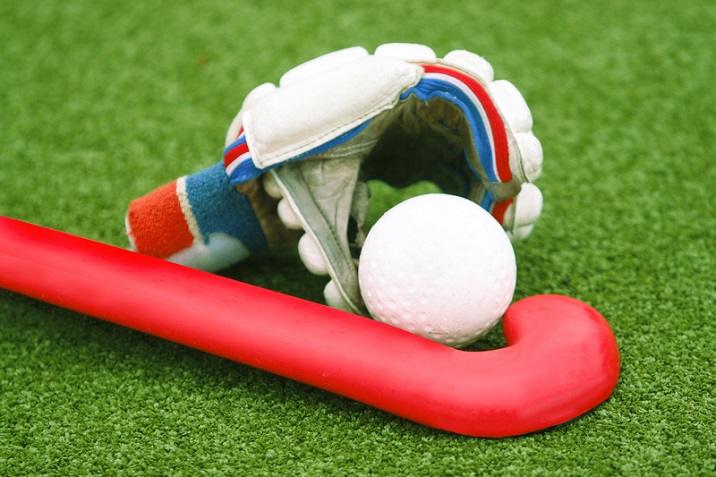
Stepping onto the ice for the first time is thrilling, but looking at a massive pile of hockey equipment can leave any beginner wondering what all those pads do—and how they go on. Because hockey is a collision sport played at high speeds on hard ice, wearing a complete set of properly fitted protective gear Read More “Complete Hockey Protective Gear Checklist for New Players”
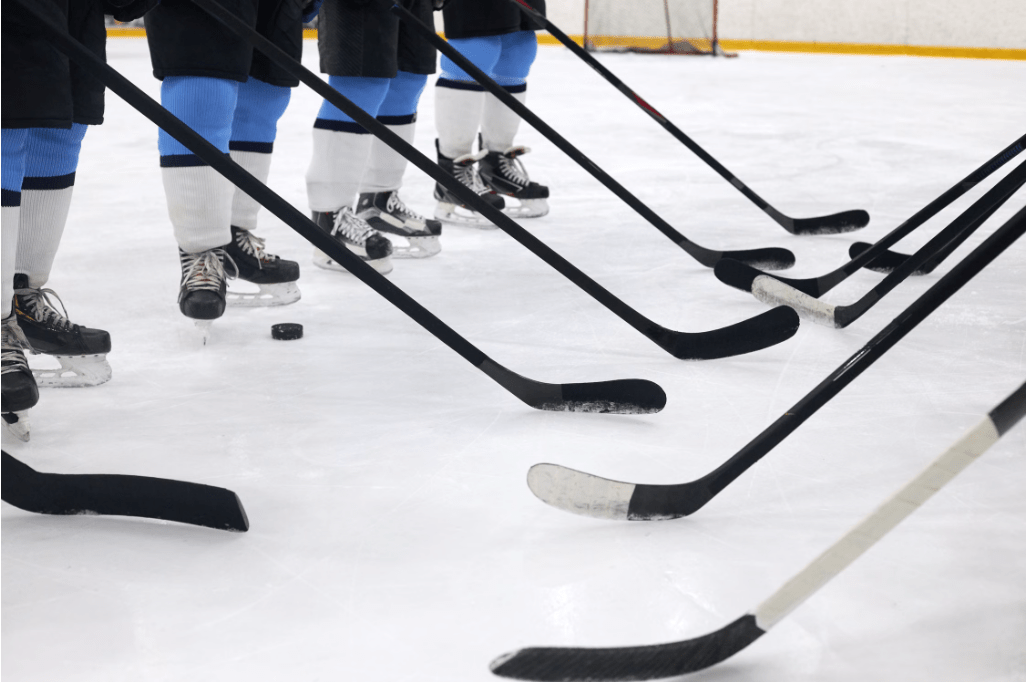
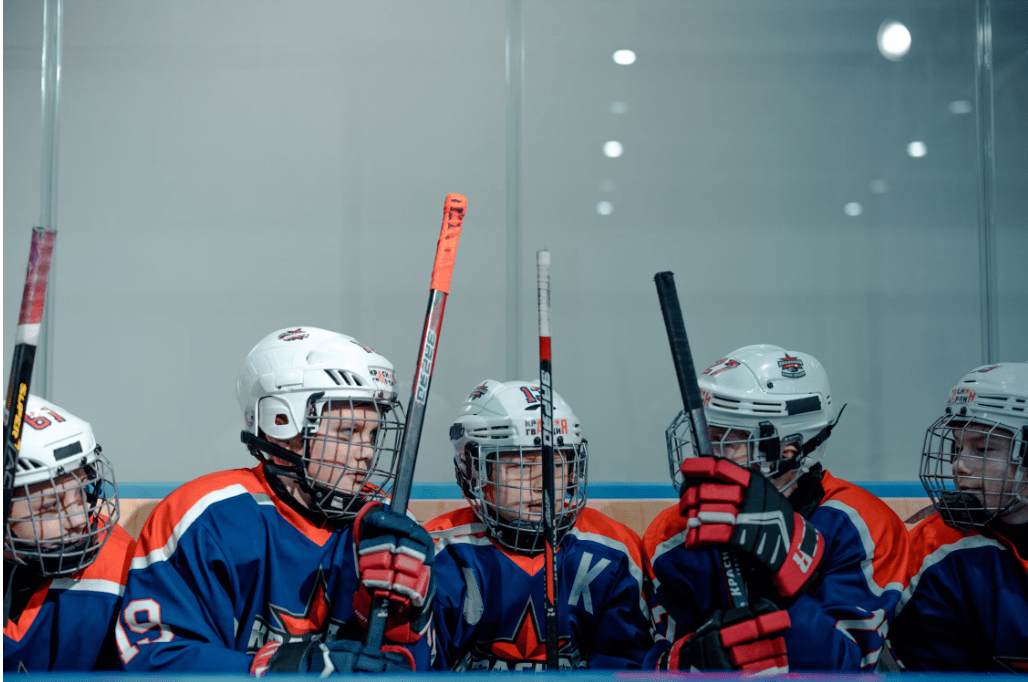
How to Choose the Right Hockey Stick: Flex, Curve, and Length

Choosing the right hockey stick is one of the most critical gear decisions you will make as a player. The right stick acts as a seamless extension of your hands—allowing you to transfer maximum power into your shots, receive hard passes cleanly, and execute tight stickhandling moves without losing control. On the flip side, playing Read More “How to Choose the Right Hockey Stick: Flex, Curve, and Length”

Youth Hockey Levels Explained: Mite to Midget and Beyond

For families entering the world of youth ice hockey, the progression system can feel like learning a whole new language. Terms like Mite, Squirt, and Bantam are thrown around alongside numerical descriptors like 10U or 14U, while competitive tiers like Tier 1 AAA and House League add another layer of complexity. Understanding how youth hockey Read More “Youth Hockey Levels Explained: Mite to Midget and Beyond”

How to Read a Hockey Scoreboard and Game Sheet

Whether sitting in the stands at a local ice rink, watching a televised NHL match, or managing time from the scorer’s box, understanding how to read a hockey scoreboard and an official game sheet is essential. While the overhead scoreboard gives spectators real-time situational updates during a game, the official game sheet serves as the Read More “How to Read a Hockey Scoreboard and Game Sheet”

Wrist Shot vs. Slap Shot: When and How to Use Each

Every goal scored in hockey comes down to putting the puck past the goaltender with speed, accuracy, or sheer power. Two of the most essential techniques in a player’s arsenal are the wrist shot and the slap shot. While both shots are designed to put the puck in the back of the net, they rely Read More “Wrist Shot vs. Slap Shot: When and How to Use Each”

The Basics of Stickhandling: Drills for Better Puck Control

If skating is the engine of a hockey player, stickhandling is the steering wheel. Soft hands, quick wrists, and complete confidence with the puck allow players to navigate tight pressure, weave through defenders, and set up scoring chances. Many beginners assume great stickhandlers are born with magical coordination, but puck control is purely a trained Read More “The Basics of Stickhandling: Drills for Better Puck Control”

How to Learn Skating for Hockey: Edge Control and Stopping

Skating is the absolute foundation of hockey. Before you can handle a puck, take a slapshot, or land a body check, you must feel in complete command of your skates. At the core of all advanced hockey skating—from tight turns to rapid accelerations—are two non-negotiable skills: edge control and stopping. Mastering these skills takes you Read More “How to Learn Skating for Hockey: Edge Control and Stopping”

How Long is a Hockey Game? Periods, Intermissions, and Overtime

If you look strictly at the rulebook, a standard regulation hockey game features 60 minutes of playing time. However, if you are planning to attend a live game or tune in on television, expect the total experience to take between 2.5 to 3 hours. Between game stoppages, referee reviews, commercial breaks, and intermissions, the flow Read More “How Long is a Hockey Game? Periods, Intermissions, and Overtime”

Hockey Rules 101: Offside, Icing, and Penalties Made Simple

Hockey is widely celebrated as the fastest team sport in the world, but to a new fan or player, all the referee whistles and arm signals can feel confusing. Why did play stop when a player skated down the ice? Why is one team playing with fewer players? Understanding hockey comes down to three foundational Read More “Hockey Rules 101: Offside, Icing, and Penalties Made Simple”

Understanding Hockey Positions: Offense, Defense, and Goaltending

At any given time during standard play, each ice hockey team has six players on the ice: three forwards (Offense), two defensemen (Defense), and one goaltender (Goalie). While their roles shift dynamically based on where the puck is, each position comes with distinct responsibilities and zone coverage. 1. The Offense (Forwards) The offensive unit consists Read More “Understanding Hockey Positions: Offense, Defense, and Goaltending”