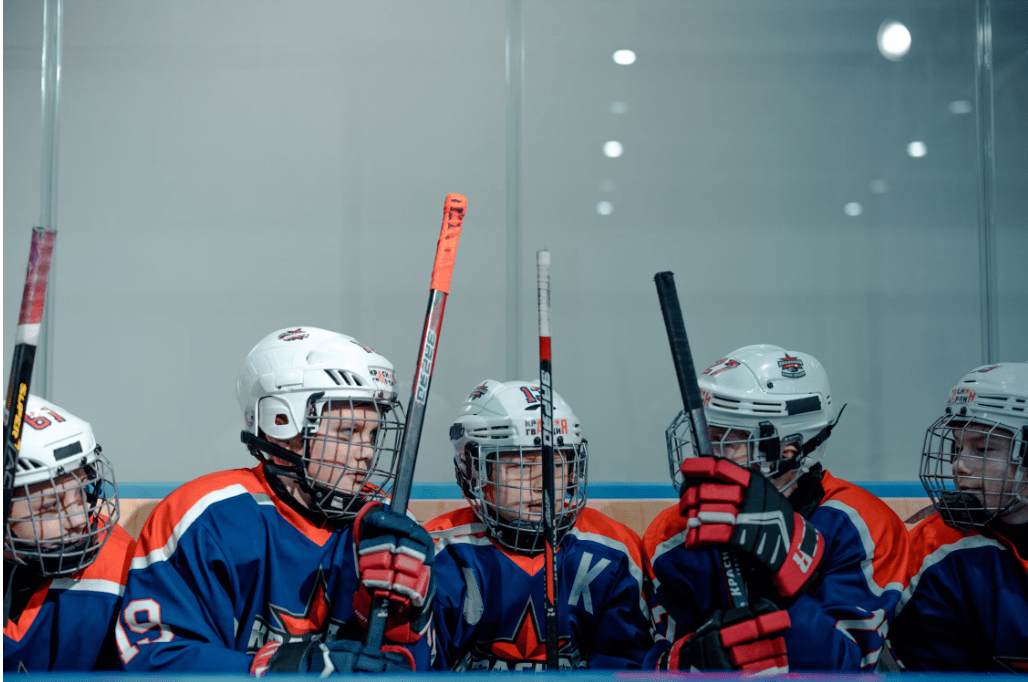
For families entering the world of youth ice hockey, the progression system can feel like learning a whole new language. Terms like Mite, Squirt, and Bantam are thrown around alongside numerical descriptors like 10U or 14U, while competitive tiers like Tier 1 AAA and House League add another layer of complexity.
Understanding how youth hockey is structured—from a child’s first step on the ice to high school, junior, and college pathways—helps parents and players set realistic expectations and choose the right development path.
1. Traditional Names vs. Modern Age Categories
Historically, youth hockey in North America used traditional titles (Mite, Squirt, Peewee, Bantam, Midget). Governing bodies like USA Hockey and Hockey Canada updated official designations to age-based “U” (Under) classifications (e.g., 8U, 10U, 12U). However, players, coaches, and rinks still use the classic names interchangeably.
Mini Mite / Mite (8U) ---> Squirt (10U) ---> Peewee (12U) ---> Bantam (14U) ---> Midget (16U / 18U)
| Traditional Name | Modern Category | Typical Ages | Key Focus & Gameplay Rules |
| Mini Mite / Mite | 6U / 8U | Ages 8 & Under | Cross-ice / half-ice games; heavy focus on skating fundamentals, fun, and puck touches. |
| Squirt (Atom in Canada) | 10U | Ages 9–10 | First transition to full-ice games, formal offside/icing rules, and designated positions. |
| Peewee | 12U | Ages 11–12 | Advanced team tactics, faster pace, positional responsibilities, and controlled positional angling. |
| Bantam | 14U | Ages 13–14 | Body checking introduced (in full-contact divisions); heavy tactical power plays and penalty kills. |
| Minor / Major Midget | 16U / 18U | Ages 15–18 | High-level competitive development preparing players for High School, Junior, or College hockey. |
2. Detailed Breakdown of Youth Levels
8U (Mites): Ages 8 & Under
At the 8U level, games are played cross-ice (across the width of the rink rather than the full length). Shrinking the playing surface forces players to make quick decisions, boosts puck touches by up to 6x compared to full-ice games, and keeps the energy high and fun.
10U (Squirts): Ages 9–10
10U is a major transition year. Players step onto full-ice for the first time, learn official faceoff setups, and begin adhering to whistle calls like offside and icing. Position-specific roles (Defense vs. Forward) become more defined.
12U (Peewees): Ages 11–12
At 12U, play speeds up significantly. Skaters refine edge control, backward skating, passing in motion, and power-play setups. While body checking is not permitted, body contact (angling and positioning along the boards) is heavily taught.
14U (Bantams): Ages 13–14
14U represents a monumental shift because body checking is officially introduced in competitive leagues. Players learn how to safely give and absorb checks along the boards. Scouts from prep schools, junior teams, and AAA organizations begin tracking top players at this stage.
16U / 18U (Midgets): Ages 15–18
The final stage of minor youth hockey. Midget hockey features high-intensity, physically demanding play for teenagers aiming to make junior rosters, high school varsity teams, or college NCAA development paths.
3. Skill Tiers: House vs. Travel Hockey
Within each age level, players are divided by skill and commitment requirements:
-
House / Recreation (Tier III / B Level): Open to all skill levels with equal ice time. Focuses on local games, fitness, sportsmanship, and minimal travel.
-
Travel / Competitive (Tier II / A & AA): Requires tryouts. Features regional travel, higher competition, professional coaching, and 3–4 weekly ice sessions.
-
Elite / Tier 1 (AAA): The highest level of youth hockey. Involves national travel, significant financial/time commitment, and intense competition against elite-level prospects.
4. “Beyond Midget”: Where Do Players Go Next?
Once a player graduates from 18U/Midget youth hockey, several pathways exist based on skill and goals:
                     ┌──> NCAA College Hockey (Division I / III)
                     │
Youth Hockey (18U) ──┼──> Junior Hockey (USHL / NAHL / CHL) ──> NHL Draft
                     │
                     └──> ACHA Club College Hockey
-
Junior Hockey (Ages 16–20): Leagues like the USHL (Tier 1) or NAHL (Tier 2) in the US, and the CHL (WHL/OHL/QMJHL) in Canada, bridge the gap between youth hockey and professional/college play.
-
NCAA College Hockey: Players earn athletic scholarships to play Division I or Division III college hockey while pursuing a degree.
-
ACHA Club Hockey: Non-varsity college hockey offering competitive play for university students.
Summary
No matter where a player starts—whether at age 4 in Mini Mites or picking up the sport at age 12—hockey’s age-based levels ensure athletes develop alongside peers of similar physical and mental maturity.