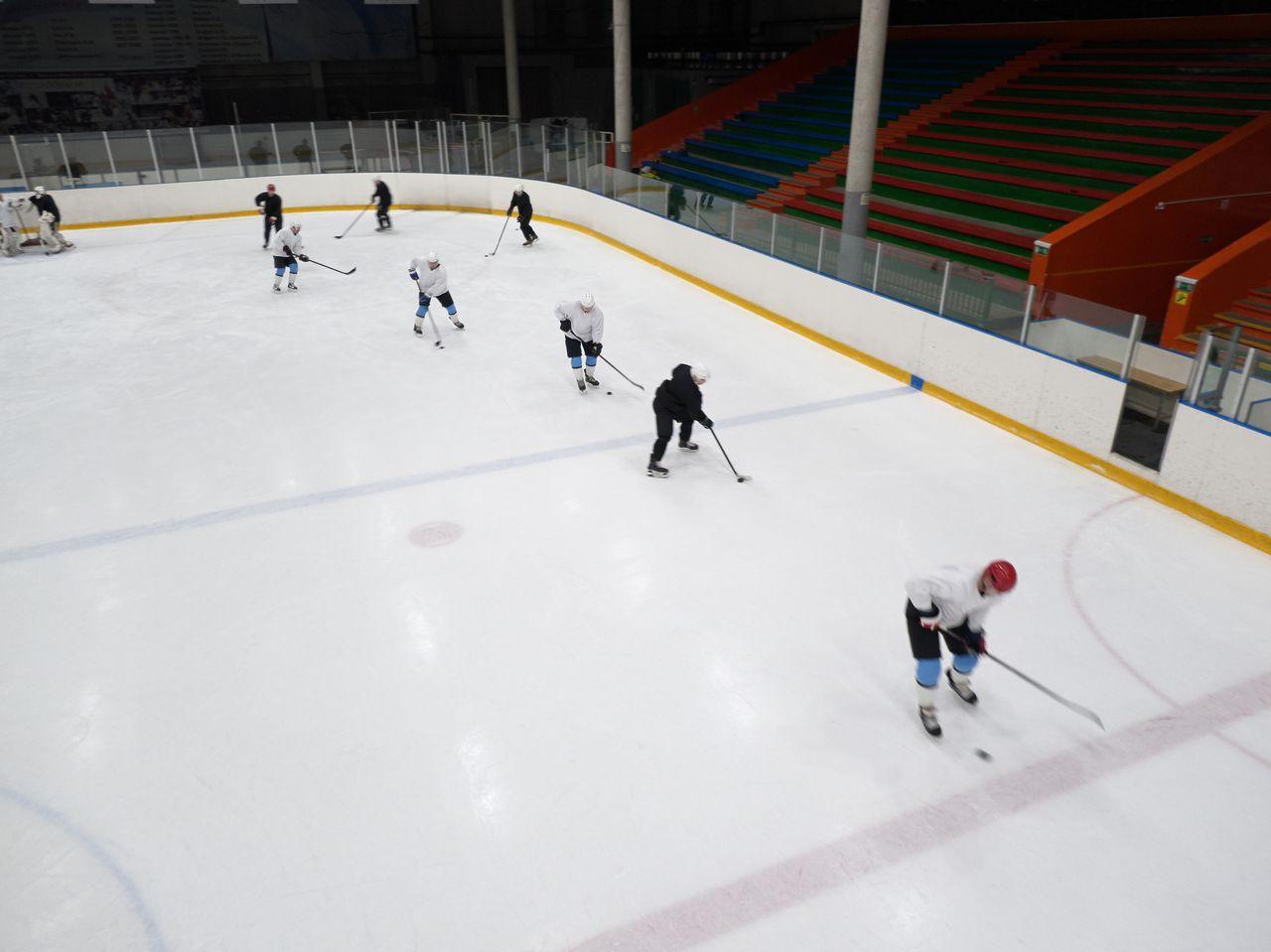
Ice hockey possesses a subculture unlike any other major team sport in North America. Built on a foundation of grit, humility, deep-seated camaraderie, and mutual respect, hockey culture blends intense physical hostility on the ice with polite, self-effacing sportsmanship off it.
From century-old playoff rituals to the sharp-witted art of “chirping,” here is what makes the culture of ice hockey so distinct.
1. Sacred Post-Game & Playoff Traditions
Hockey is famous for rituals that bond teammates and honor opponents:
The Post-Series Handshake Line
Perhaps the most revered tradition in all of sports takes place at the end of every Stanley Cup Playoff series. After battling through seven grueling, bone-crushing games—where players physically punish each other for two weeks—both teams immediately line up single-file to shake hands, look each other in the eye, and offer sincere respect.
Playoff Beards
Initiated by the New York Islanders dynasty of the 1980s, players stop shaving the day the postseason begins and grow out their facial hair until they are either eliminated or lifting the Stanley Cup. It stands as a visual symbol of collective unity and shared sacrifice.
Respecting the Trophy
Players will happily touch, kiss, and celebrate with regional trophies (like the Prince of Wales Trophy or Clarence S. Campbell Bowl), but nobody touches the Stanley Cup until it is officially won. Doing so before winning the final game is considered the ultimate jinx.
2. The Unwritten Code of Conduct
While the official rulebook governs minor and major penalties, hockey is famously monitored by an “Unwritten Code” enforced by the players themselves to maintain safety and accountability:
[Dangerous Hit / Cheap Shot] ──> [Enforcer Steps In] ──> [Controlled Fight] ──> [Order Restored]
-
Protecting the Star Players: If an opponent takes a dirty or dangerous hit at a team’s star goal-scorer or goaltender, someone (often an enforcer or team leader) is expected to hold that opponent accountable by challenging them to a fight.
-
Never Target a Defenseless Player: Hitting an opponent who is unaware, turning into the boards, or already injured breaks the Code.
-
Shooting After the Whistle: Slapping a puck into the opponent’s net after the referee has blown the whistle—or spraying snow intentionally into a goalie’s face—will instantly trigger an aggressive scrum.
3. The Art of “Chirping” (Trash Talk)
In hockey, verbal sparring is known as chirping. Unlike generic trash-talk in other sports, hockey chirps are celebrated for being fast, clever, witty, and deeply psychological.
-
Targeting Equipment & Play: Rather than personal insults, chirps often mock a player’s skating form, missed passes, cheap gear, or warm-up habits.
-
Bench Chirping: Players lined up on the bench constantly chirp opponents on the ice to get under their skin and goad them into taking bad penalties.
-
The “Lingo”: Hockey culture has created its own dialect. Terms like saucer pass, dangle, top cheese, pigeon, bender, and goni (goalie) form a distinct language spoken in locker rooms worldwide.
4. Humility and “Team-First” Mentality

In many professional sports, individual bravado and flashy touchdown celebrations are praised. In hockey, individual hubris is discouraged.
-
Hockey Media Interviews: Hockey player interviews are legendary for their repetitive, humble nature. Players almost always deflect individual praise to their linesmen, defense partners, or goalie (“We just gotta get pucks deep, play hard, and stick to our game plan”).
-
Selflessness over Stats: A player who blocks a 90-mph slapshot with their ankle during a penalty kill receives a louder bench response and more respect from teammates than a player scoring an unassisted goal.
Summary
Hockey culture is a balance of contrasts: ruthless physical battles on the ice combined with deep brotherhood and humility off it. It is this unique mixture of tough-as-nails grit and timeless respect that keeps fans and players hooked for life.