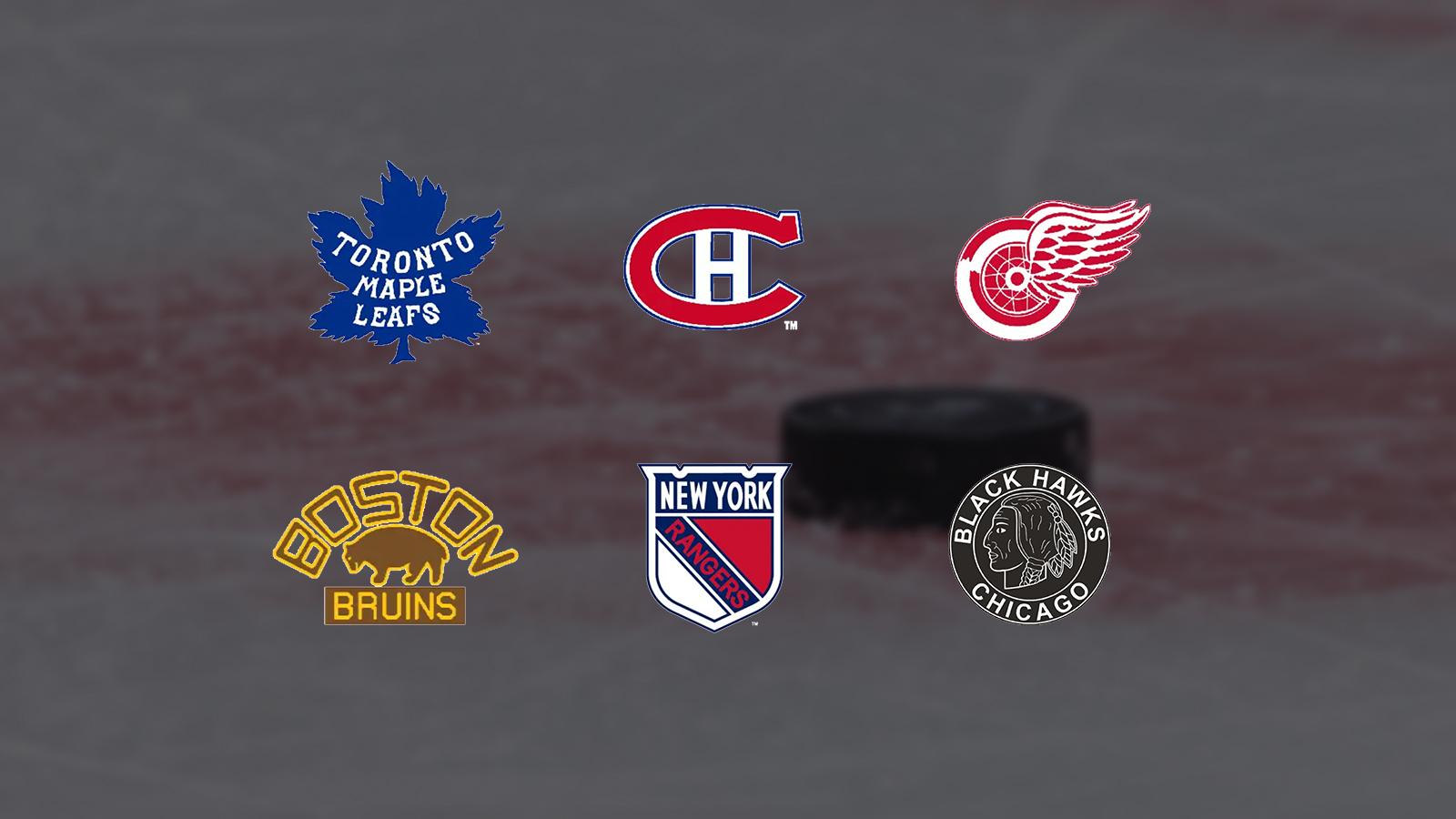
In the story of professional ice hockey, few eras carry as much reverence and nostalgia as the era of the “Original Six.” From 1942 until the massive expansion of 1967, the National Hockey League (NHL) consisted of just six franchises competing fiercely for the Stanley Cup every season.
While the term “Original Six” is slightly misnamed—several other teams existed and folded during the league’s formative early decades—these six iconic franchises laid the commercial, cultural, and competitive foundations of modern hockey.
1. The Teams Breakdown
The Original Six was split evenly between Canada and the United States, creating deep geographic and national rivalries that endure to this day.
| Team | Founded | Home Arena (Era) | Iconic Legends | Unique Identity |
| Montreal Canadiens | 1909 | Montreal Forum | Maurice Richard, Jean Béliveau, Guy Lafleur | The most decorated franchise in NHL history (24 Stanley Cups); deep cultural ties to French Canada. |
| Toronto Maple Leafs | 1917 | Maple Leaf Gardens | Conn Smythe, Dave Keon, Mats Sundin | Hockey’s media capital and iconic blue-and-white sweater; built one of the sport’s largest global fan bases. |
| Boston Bruins | 1924 | Boston Garden | Bobby Orr, Phil Esposito, Ray Bourque | The first American-based NHL team; famous for a rugged, physical, and relentless blue-collar play style. |
| Chicago Black Hawks | 1926 | Chicago Stadium | Stan Mikita, Bobby Hull, Glenn Hall | Famed for the deafening noise of Chicago Stadium and revolutionizing the curved stick blade and slap shot. |
| Detroit Red Wings | 1926 | Olympia Stadium | Gordie Howe, Ted Lindsay, Steve Yzerman | Known as “Hockeytown”; dominated the 1950s with the legendary “Production Line.” |
| New York Rangers | 1926 | Madison Square Garden | Eddie Giacomin, Mark Messier, Brian Leetch | Brought big-city glamour and Broadway spotlight to the NHL; playing out of the world’s most famous arena. |
2. Why the Era Was So Fierce (1942–1967)
The 25-year period of the Original Six produced a brand of hockey that was intensely personal, brutal, and skilled:
-
Familiarity Breeds Contempt: With only six teams in the league, teams played each other 14 times per season. Players knew every opponent’s habits, tendencies, and weaknesses intimately, sparking explosive physical rivalries.
-
Extreme Roster Competition: With only six starting goalies and roughly 120 total player roster spots in the entire league, making the NHL was extraordinarily difficult. Minor league players fought relentlessly for every opening.
-
The Reserve Clause: Team owners held absolute control over player contracts, preventing free agency and forcing core rosters to stay intact for long periods.
3. The End of the Era: The 1967 Expansion
By the mid-1960s, hockey’s growing popularity—and the threat of competing leagues—forced the NHL to modernize. In 1967, the league executed the largest single-day expansion in professional sports history, doubling in size overnight from 6 to 12 teams by adding the Los Angeles Kings, Minnesota North Stars, Philadelphia Flyers, Pittsburgh Penguins, St. Louis Blues, and California Seals.
Summary: The Lasting Legacy
Although the NHL has grown into a 32-team circuit across North America, the Original Six franchises remain the financial and historical bedrock of the sport. Matches between these teams still draw higher television ratings, sell out stadiums faster, and ignite fan rivalries like nothing else in hockey.