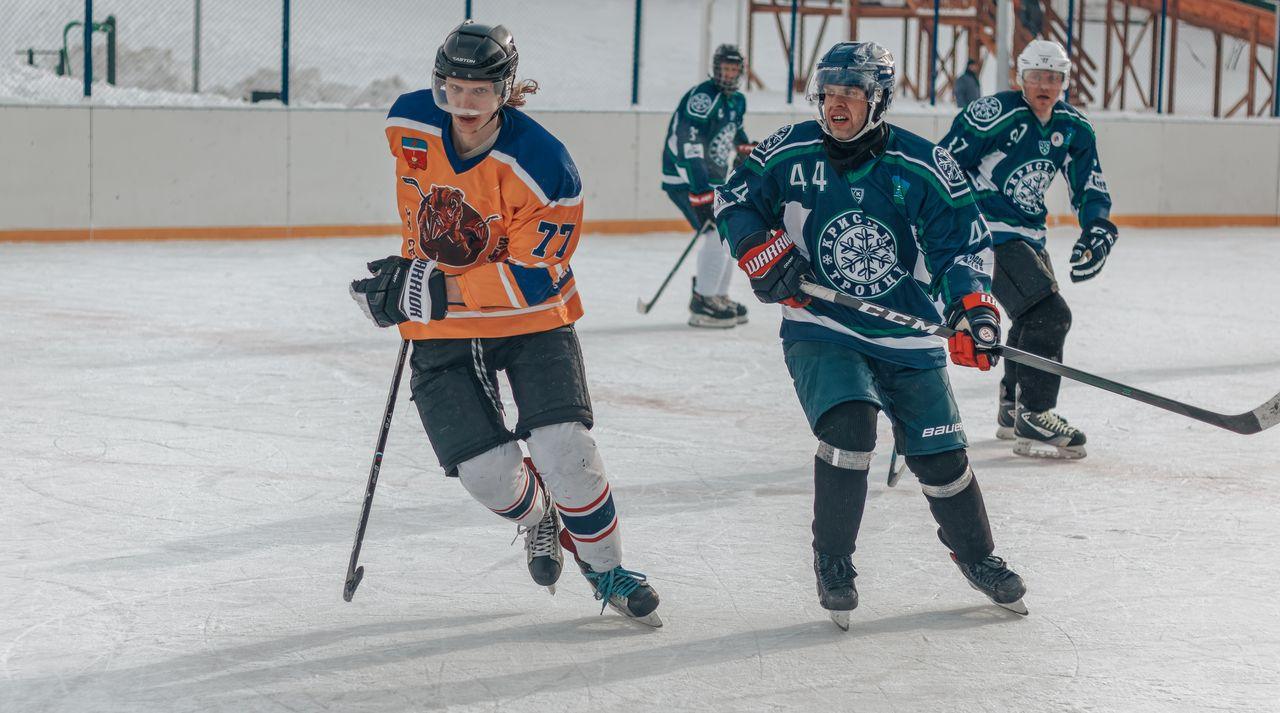
At first glance, ice hockey and field hockey share the same fundamental goal: hit an object with a stick into the opponent’s net. However, beyond the shared name and basic objective, they are drastically different sports defined by distinct playing surfaces, equipment, rule sets, and physical demands.
Whether you are deciding which sport to play or trying to understand the rules while watching, here is a complete breakdown of how ice hockey and field hockey stack up.
At a Glance: Head-to-Head Comparison
| Feature | Ice Hockey | Field Hockey |
| Playing Surface | Ice Rink (200 ft × 85 ft) enclosed by boards | Outdoor Synthetic Turf / Grass (100 yd × 60 yd) |
| Object Controlled | Vulcanized Rubber Puck (6 oz) | Solid Plastic Ball (5.5–5.7 oz) |
| Footwear | Ice Skates | Turf Shoes / Cleats |
| Players on Ice/Pitch | 6 per side (5 skaters + 1 goalie) | 11 per side (10 outfielders + 1 goalie) |
| Stick Shape | Long, flat blade (Left or Right curve) | J-shaped hook (Flat on left side, rounded on right) |
| Physical Contact | High body checking allowed | Non-contact (Obstruction/tackling fouls) |
| Game Structure | Three 20-minute periods | Four 15-minute quarters |
1. Surface and Playing Area
The environment dictates the pace and mechanics of each sport:
-
Ice Hockey is played inside a cold, enclosed arena on an ice sheet bounded by high wooden/acrylic boards and glass. Players use these boards to bounce passes and pin opponents during battles for the puck.
-
Field Hockey takes place outdoors on a much larger open field (often called the “pitch”), usually made of dense water-based synthetic turf. Because there are no perimeter boards, balls that travel past the sidelines go out of bounds, resulting in sideline hit-ins.
2. Equipment & Ball vs. Puck
The gear worn by athletes reflects the safety needs of each game’s surface and rules:
-
Puck vs. Ball: Ice hockey uses a flat, 6-ounce cylinder of vulcanized rubber that glides smoothly across ice at speeds exceeding 100 mph. Field hockey uses a hard, dimpled plastic ball designed to roll quickly on turf without bouncing unpredictably.
-
Sticks: Ice hockey sticks are long, straight shafts featuring a curved blade that allows players to use both the front and back face. Field hockey sticks are shorter with a distinct J-curve at the bottom—and by rule, players can only use the flat left side of the stick to touch the ball.
-
Protective Gear: Because ice hockey features heavy body checking and hard pucks flying at high velocity, players wear thick shoulder pads, elbow pads, shin guards, padded breezers, gloves, and helmets. Field hockey outfielders wear minimal protection—shin guards, mouthguards, and thin gloves—relying on non-contact rules for safety.
3. Physical Contact and Penalties
-
Body Checking: Ice hockey embraces controlled body contact. Defending players actively use their shoulders and hips to separate puck carriers from the play. Penalties (like tripping or high-sticking) send players to the penalty box for 2 minutes, forcing their team to play shorthanded.
-
Strict Non-Contact: Field hockey prohibits body checking and physical obstruction. Tackles must be made cleanly on the ball without touching the opponent’s body. Penalties are managed via cards: Green (2-minute suspension), Yellow (5 to 10-minute suspension), and Red (permanent ejection).
4. Substitutions and Team Size
-
Ice Hockey: With only 6 players on the ice per team, the intense pace requires rapid line changes. Teams swap players “on the fly” every 45 to 60 seconds without stopping the game clock.
-
Field Hockey: Mirroring soccer, 11 players per team occupy the pitch. While field hockey allows rolling substitutions during stoppages, players stay on the pitch for much longer stretches, demanding high cardiovascular endurance over continuous sprints.
Summary
If you enjoy lightning-fast speed, explosive collisions, and quick-burst shifts, ice hockey delivers unmatched intensity. If you prefer tactical field spacing, precise stickwork, and continuous endurance, field hockey offers a deeply strategic, skill-driven experience.