Ice hockey has a reputation for being one of the most fast-paced, thrilling, and rewarding sports in the world. However, if you didn’t grow up wearing skates, diving into the sport as an adult or starting your child off can feel a bit overwhelming. Between learning to balance on thin steel blades, understanding the rulebook, and buying the right gear, it is easy to wonder where to begin.
The good news? It is easier to get into hockey today than ever before. Whether your goal is to play in a local recreational league, learn the rules so you can follow the NHL, or get your kids involved in youth programs, this step-by-step guide covers everything you need to know.
Step 1: Master the Basics of Ice Skating First
Before you pick up a stick or worry about puck handling, you need to feel comfortable on the ice. Skating is the foundation of hockey; the more natural your balance feels, the easier it will be to focus on the game itself.
-
Take Public Skating Sessions: Visit your local rink during open public skate hours. Work on your forward stride, learning how to glide, and getting comfortable on your edges.
-
Enroll in “Learn to Skate” Classes: Most ice rinks offer group adult and youth skating classes (often through programs like Skate Canada or Learn to Skate USA). Look specifically for basic ice skating or hockey-skating fundamentals.
-
Focus on Stopping and Edge Control: The two biggest hurdles for beginners are learning to stop efficiently (the hockey stop) and using inside/outside edges to turn. Don’t worry about speed until you feel confident stopping.
Step 2: Get the Necessary Gear (Without Breaking the Bank)
Hockey requires a full set of protective equipment, but you do not need top-of-the-line gear to start out.
Essential Beginner Equipment Checklist:
-
Ice Skates: The most critical piece of equipment. Make sure they fit snugly—hockey skates typically run 1 to 1.5 sizes smaller than your regular shoe size.
-
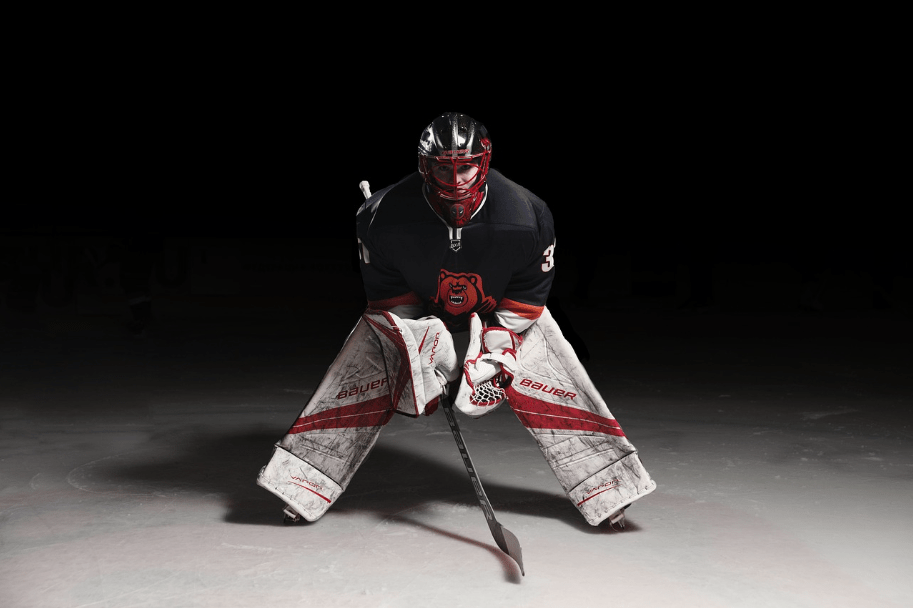
Helmet with Cage/Visor: Safety comes first. Always buy a brand-new helmet that meets safety certifications (avoid buying used helmets, as materials degrade over time).
-
Gloves & Stick: Look for a beginner-friendly composite stick with an average flex rating (roughly half your body weight in flex).
-
Protective Pads: Shin guards, elbow pads, shoulder pads, and hockey pants (breezers).
-
Undergarments & Accessories: Jock/Jill strap with a protective cup, hockey socks, neck guard, and a mouthguard.
Budget-Friendly Gear Tips:
-
Buy Used Gear: Rinks often host gear swaps, and second-hand sports stores carry gently used pads and skates at a fraction of retail prices.
-
Buy Starter Kits: Many brands sell bundled entry-level pad packages for youth and intermediate players.
Step 3: Learn the Rules and Game Strategy
You will enjoy playing and watching much more if you understand the basic mechanics of the sport.
-
The Objective: Two teams attempt to shoot a rubber puck into the opposing goal using their sticks. Each game consists of three 20-minute periods.
-
Positions: A standard line on the ice features six players: a Goalie, two Defensemen (left and right), and three Forwards (Center, Left Wing, Right Wing).
-
Key Whistle Calls:
-
Offside: The puck must cross the opponent’s blue line before any attacking player enters the offensive zone.
-
Icing: Shooting the puck from your half of the ice all the way past the opposing goal line without it being touched (stops play and brings the faceoff back to your zone).
-
Pro Tip: The fastest way to learn the game is to watch it. Tune into NHL games, pay attention to off-puck positioning, or play hockey video games like EA Sports NHL to naturally grasp rules and lines.
Step 4: Join a “Never-Ever” or Beginner Program
Once you can skate forwards and stop without crashing into the boards, it is time to join an organized program.
-
Discover “Learn to Play” Programs: Rinks frequently run adult and youth “Learn to Play Hockey” clinics. These multi-week programs walk you through stickhandling, passing, shooting, and basic positional play alongside other complete beginners.
-
Attend Stick-and-Puck Sessions: These are open ice sessions where players bring a stick, gloves, and helmet to practice shooting and skating with a puck at their own pace.
-
Join an Adult Rec League (Novice/D-Level): When you feel ready for actual games, sign up for the lowest division in your local adult recreational league (often called “Beer League”). Beginner divisions are casual, welcoming, and focused purely on fun and fitness.
Step 5: Practice Off-Ice (Dryland Training)
You don’t need access to an ice rink every day to build your skills. Off-ice practice—known as dryland training—accelerates your development significantly.
-
Stickhandling at Home: Get a plastic hockey training ball or a Green Biscuit (a specialized off-ice puck) and practice stickhandling in your garage or driveway for 10–15 minutes a day.
-
Work on Shooting: Set up a shooting pad or a piece of smooth plasticboard to practice wrist shots into a tarp or net in your yard.
-
Build Leg and Core Strength: Exercises like bodyweight squats, lunges, side-planks, and jump squats build the lower-body explosiveness required for powerful skating strides.
Final Thoughts: Focus on the Fun
Learning hockey as a beginner requires patience. You will fall, miss passes, and feel awkward on the ice initially—and that is completely normal. Hockey players are famously welcoming to newcomers because everyone remembers how challenging it was to start. Grab your gear, embrace the learning curve, and hit the ice!