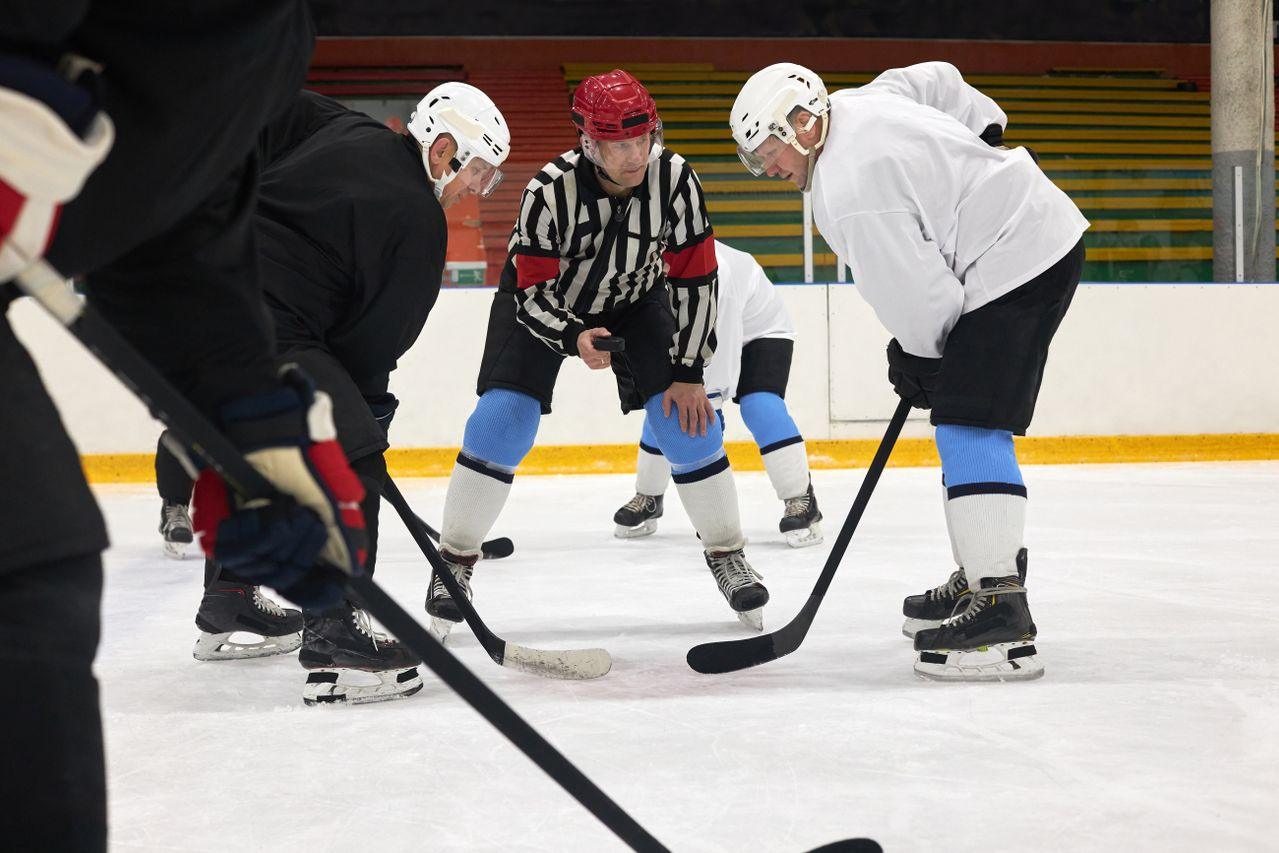
For decades, the “enforcer”—a player hired primarily to fight, intimidate, and protect star teammates—was a permanent staple of any professional hockey roster. Players like Bob Probert, Tie Domi, and Georges Laraque carved out legendary careers keeping opponents in check through physical deterrence.
However, over the last two decades, the role of fighting and the traditional enforcer in modern hockey has undergone a dramatic transformation. Driven by rule changes, player safety concerns, and the rise of advanced analytics, the sport has evolved toward speed and skill.
Why Fighting Has Declined in the Modern NHL
While fighting remains legal in the NHL (resulting in a 5-minute major penalty), its frequency has dropped significantly compared to past decades. Several key factors drove this shift:
1. Rule Changes & Penalties
The introduction of key rules directly targeted staged fights and designated fighters:
-
The Instigator Rule: Players who initiate a fight are assessed an additional minor penalty and game misconducts under certain circumstances.
-
Line Change Rules: Teams can no longer match lines after an icing, making it impossible to hide low-minute fighters on the ice.
-
Visors and Helmets: Mandatory helmet and visor rules make fighting more dangerous for fists and reduce spontaneous altercations.
2. Player Safety and Concussion Awareness
Medical research highlighting long-term brain health, Chronic Traumatic Encephalopathy (CTE), and the physical toll on enforcers altered the culture around fighting. Organizations and fans alike began prioritizing player longevity and health.
3. The Analytics Era and Salary Cap Dynamics
In a salary-cap league, roster spots are too valuable to allocate to a player who plays under four minutes a night. Modern analytics proved that playing 4-on-5 or giving up continuous puck possession hurts a team’s win percentage far more than an enforcer helps it.
The Evolution: From Enforcer to “Power Forward”
The dedicated enforcer who couldn’t skate or score has largely vanished from professional leagues. Today, physical deterrence hasn’t completely disappeared—it has simply evolved.
| Characteristic | The Traditional Enforcer (Pre-2010s) | The Modern Physical Player (Present) |
| Primary Skill | Fighting, intimidation, body checking | Skating, forechecking, puck retrieval |
| Ice Time | 3 to 6 minutes per game | 10 to 16 minutes per game |
| Roster Role | Designated fighter / 4th-line protector | Middle-six power forward / physical depth |
| Fight Type | Often staged off faceoffs | Emotional, spontaneous, or situational |
Modern physical players—such as Tom Wilson, Matthew Tkachuk, or Brady Tkachuk—combine toughness and edge with genuine scoring ability, defensive responsibility, and high-level skating.
What Role Does Fighting Serve Today?
While staged fights off center-ice faceoffs are virtually extinct, fighting still serves specific tactical and emotional functions in the modern game:
-
Accountability: Serving as a check against dirty hits, dangerous boardings, or unpenalized slashes toward star players.
-
Momentum Shifts: A spontaneous bout following a clean, heavy hit can rally a trailing team and energize the bench.
-
Self-Policing: In a sport where officials cannot catch every subtle stick infraction, the threat of physical response continues to deter unsportsmanlike behavior.
Summary
Fighting in hockey has shifted from an expected, choreographed ritual into a rare, situational response. While the traditional enforcer role has retired, physical toughness and team protection remain core tenets of hockey culture—now embedded in complete, multi-dimensional athletes.