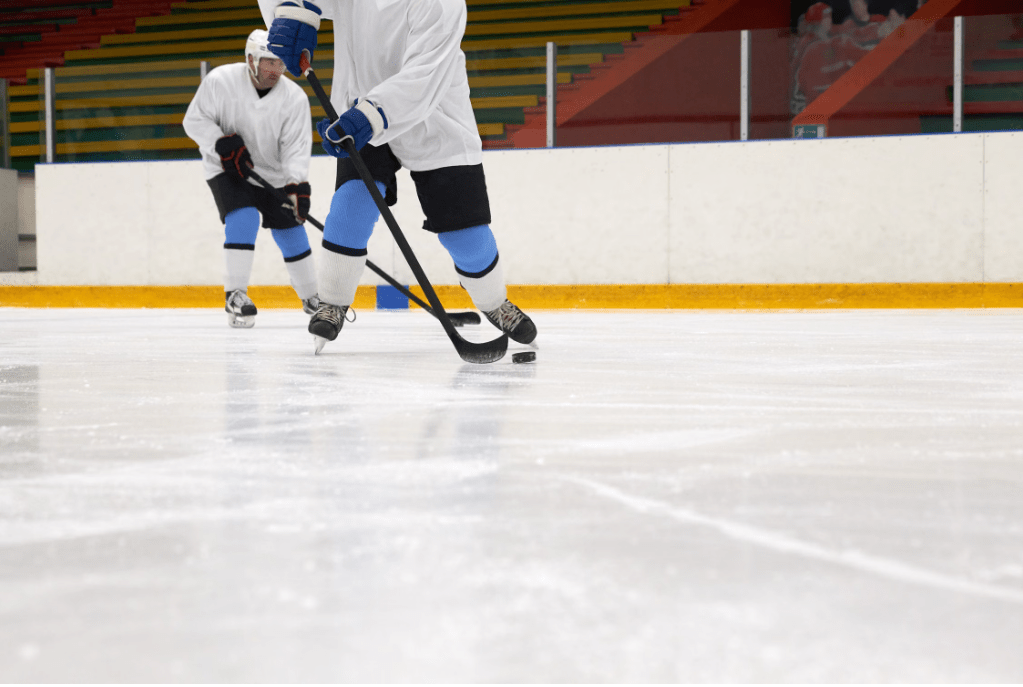
When you step into a hockey pro shop or browse online, you will immediately notice a stark contrast on the stick rack: traditional, heavy wooden sticks resting next to sleek, ultra-lightweight carbon fiber composite sticks.
While wooden sticks ruled the ice for over a century, composite technology revolutionized the game starting in the late 1990s. Today, nearly every professional player in the NHL uses a single-piece composite stick. However, that does not mean wood sticks are completely extinct.
Depending on your budget, playing surface, skill level, and personal goals, both materials have distinct advantages and drawbacks. Here is a complete breakdown to help you decide which material is right for your game.
Head-to-Head Comparison
| Feature | Wood Hockey Sticks | Composite Hockey Sticks |
| Primary Material | Birch, Aspen, or Ash wood layers | Woven carbon fiber, Kevlar, and fiberglass |
| Average Weight | Heavy (18–22 oz / 500–625g) | Ultra-Lightweight (12–15 oz / 340–425g) |
| Typical Price | $25 – $50 | $70 – $350+ |
| Shot Velocity | Low to Moderate | Explosive (engineered kick points) |
| Puck Feel | Soft, dense, natural touch | Crisp, responsive, dampened vibration |
| Best Surface | Street, driveway, ponds, outdoor rinks | Indoor ice rinks & inline rinks |
The Case for Composite Hockey Sticks
Composite sticks are constructed by layering woven carbon fiber, fiberglass, and resin into a hollow shaft. They represent the cutting edge of modern sports engineering.
Pros of Composite Sticks:
-
Unmatched Shot Power & Pop: Carbon fiber acts like a spring. When you lean into a shot, the shaft loads energy and snaps back instantly, launching shots with significantly higher velocity than wood.
-
Ultra-Lightweight: Weighing roughly 25% to 40% less than wooden sticks, composites drastically improve hand speed, rapid stickhandling, and quick reaction times.
-
Engineered Kick Points: Composites can be calibrated to flex at specific zones—such as a low kick point for lightning-fast wrist shots or a mid kick point for maximum slap shot power.
-
Consistency: Unlike wood, which varies from tree to tree in grain density, composite sticks offer 100% manufacturing consistency from one stick to the next.
Cons of Composite Sticks:
-
High Price Tag: Top-tier composite sticks can cost $300 or more, making replacement expensive.
-
Sudden Fractures: While composite material handles direct bending force exceptionally well, a hard slash or deep blade chip can cause the carbon structure to snap unexpectedly.
The Case for Wood Hockey Sticks
Wooden sticks are crafted from laminated hardwoods like birch or aspen, often reinforced with a thin fiberglass wrap over the shaft and blade for added strength.

Pros of Wood Sticks:
-
Unbeatable Value: Coming in under $50, wood sticks offer an accessible entry point for absolute beginners, casual pond players, or parents on a tight budget.
-
Dense Puck Feel: Because wood is a solid, natural shock-absorber, many players love the heavy “soft” feel when receiving hard passes or stickhandling in tight quarters.
-
Durability Against Slashes: Solid wood handles hacks, chops, and board battles without suffering the microscopic structural cracks that ruin composite shafts.
Cons of Wood Sticks:
-
Heavy Weight: The extra mass tires out your forearms faster and slows down your stickhandling speed.
-
Moisture Absorption & Warping: Over time, exposure to ice melt and water causes wood sticks to absorb moisture, increasing their weight and degrading their flex stiffness over time.
Which One Should You Buy?
Pick a Composite Stick if:
-
You play organized indoor ice or inline hockey regularly.
-
You want to maximize shot velocity, release speed, and puck-handling agility.
-
You are comfortable investing $100+ for higher performance gear.
Pick a Wood Stick if:
-
You are a beginner taking your first steps on the ice and want to keep gear costs low.
-
You play street hockey, driveway games, or outdoor pond hockey on rough asphalt that would destroy an expensive carbon stick.
-
You are an adult rec-league player who prefers a traditional, classic feel.
Hybrid Option: ABS Blades for Street Hockey
If you intend to play street or ball hockey on rough concrete, avoid pure wood and pure composite sticks. Asphalt quickly grinds down carbon fiber and splinters wood blades. Look for a wood stick equipped with an ABS plastic blade—it resists wear against rough pavement and lasts significantly longer outdoors!