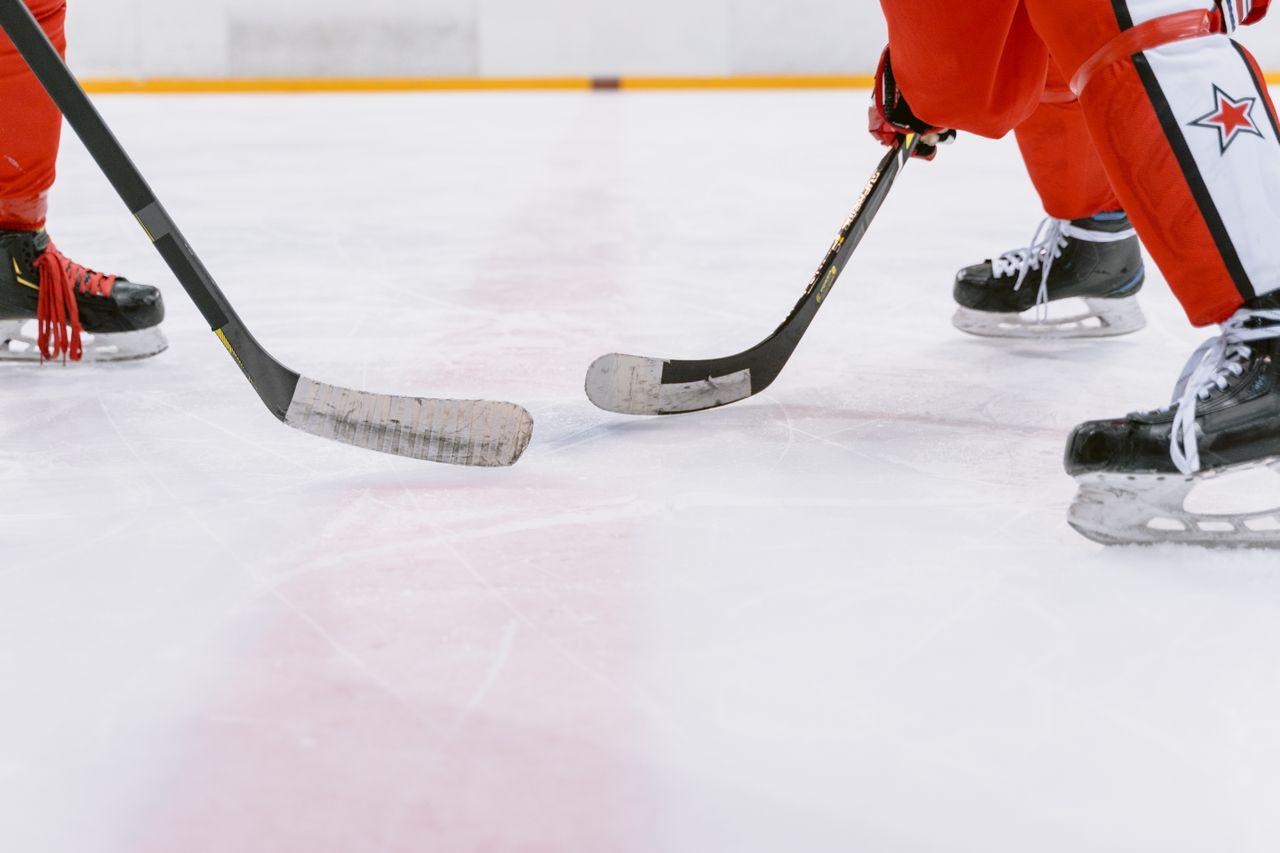
Choosing the correct hockey stick flex is one of the most important decisions a player can make. Using a stick with the wrong flex can drastically reduce your shot power, hinder puck control, and cause you to develop poor shooting mechanics early on.
Whether you are stepping onto the ice for the first time or upgrading your gear for the season, this guide breaks down everything you need to know to select the perfect flex.
1. What Is Hockey Stick Flex?
Stick flex is a numerical rating that measures the amount of force (in pounds) required to bend the stick shaft one inch.
-
A lower flex number means the stick is softer and easier to bend.
-
A higher flex number means the stick is stiffer and requires significantly more strength to load.
Modern composite hockey sticks act like a loaded spring. When you take a shot, you push your body weight down into the ice, bending the shaft. As the stick snaps back straight, it transfers that stored kinetic energy into the puck. If your stick is too stiff, you won’t be able to bend it, causing your shots to lose speed and elevation.
2. Standard Flex Categories & Ratings
Hockey sticks are broadly categorized into age and size tiers:
| Category | Typical Flex Range | Player Age Group | Average Height / Weight |
| Youth | 20 – 30 | Ages 4–8 | Under 4’0″ / Under 60 lbs |
| Junior | 30 – 50 | Ages 7–12 | 4’0″ to 4’10” / 60–100 lbs |
| Intermediate | 55 – 65 | Ages 11–14 | 4’10” to 5’6″ / 100–140 lbs |
| Senior Light | 70 – 77 | Teens / Smaller Adults | 5’5″ to 5’10” / 130–160 lbs |
| Senior Standard | 85 | Average Adults | 5’8″ to 6’1″ / 160–200 lbs |
| Senior Stiff | 95 – 105+ | Heavy / Elite Players | 6’0″+ / 200+ lbs |
3. The Golden Rule for Finding Your Starting Flex
A reliable, time-tested baseline for selecting your initial flex is simple:
$$\text{Starting Flex Rating} = \frac{\text{Your Body Weight in Pounds}}{2}$$
-
Example A: A player weighing 150 lbs should start by trying a 75 flex stick ($150 / 2 = 75$).
-
Example B: A player weighing 180 lbs should start with an 85 or 90 flex stick ($180 / 2 = 90$).
Beginner Tip: If you are between flex ratings, always go softer. It is far better to have a stick that bends easily while learning proper technique than one that feels like a wooden crowbar.
4. Key Factors That Affect Flex
5. Signs Your Flex Is Wrong
-
Your Flex Is Too Stiff If: Your wrist shots stay low to the ice, you struggle to lift the puck, your hands tire out quickly, or your shots feel weak even when putting full effort into your motion.
-
Your Flex Is Too Soft If: Your stick feels “whippy” or unstable when receiving hard passes, your shots consistently fly wildly over the crossbar, or the blade twists when taking slapshots.
Summary
Finding the right stick flex is about matching your body weight, strength, and play style to the shaft’s resistance. Start with the half-body-weight rule, err on the side of a softer flex as a beginner, and adjust as your shot mechanics improve over time.